Why Commercial Small Animal Control Requires Professional Expertise
People searching for commercial small animal control are typically seeking expert help to safely and effectively manage pests, with local service providers capable of handling the job professionally.
Understanding why commercial small animal control requires professional expertise is essential for property owners facing unwanted wildlife issues. Small animals such as rodents, raccoons, or squirrels can cause significant damage, pose health risks, and disrupt daily operations. Engaging experienced local service providers ensures that these challenges are handled effectively and safely, preventing minor issues from escalating into costly problems. Whether managing a retail space, office complex, or industrial facility, having knowledgeable professionals on the job can make all the difference in maintaining a secure and clean environment.
For property owners in the area considering small animal control solutions, recognizing the importance of relying on skilled local contractors is key. These experts possess the practical know-how to identify entry points, implement humane removal methods, and prevent future infestations. Their hands-on experience with commercial properties ensures that the job is done correctly the first time, reducing the risk of recurring issues. Exploring this topic further can help clarify how professional small animal control services provide effective, practical solutions tailored to the unique needs of commercial spaces.
- Commercial animal exclusion - when businesses need to prevent small animals from entering their facilities, local contractors use specialized techniques to ensure effective barriers are installed properly.
- Rodent proofing services - in cases where rodents threaten food safety or property integrity, local pros apply targeted methods to identify and seal entry points securely.
- Pest removal and cleanup - after a small animal infestation, local contractors perform thorough removal and sanitation to restore safety and hygiene standards.
- Wildlife damage repair - when small animals cause structural damage, local experts assess the extent and implement repairs that prevent future issues.
- Preventative small animal control - businesses seeking ongoing protection rely on local pros to develop and maintain effective control plans tailored to their property.
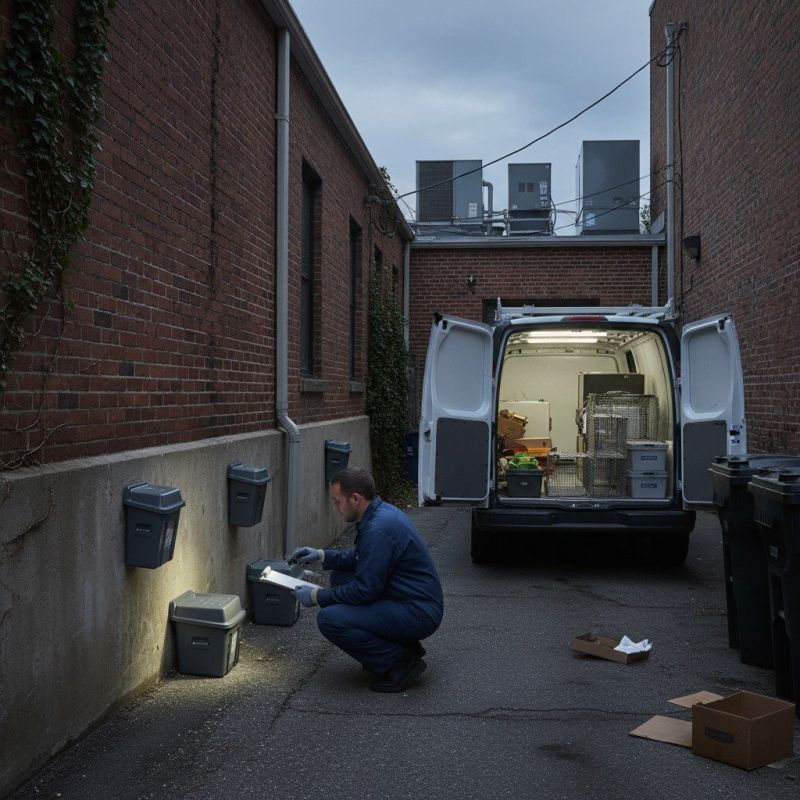
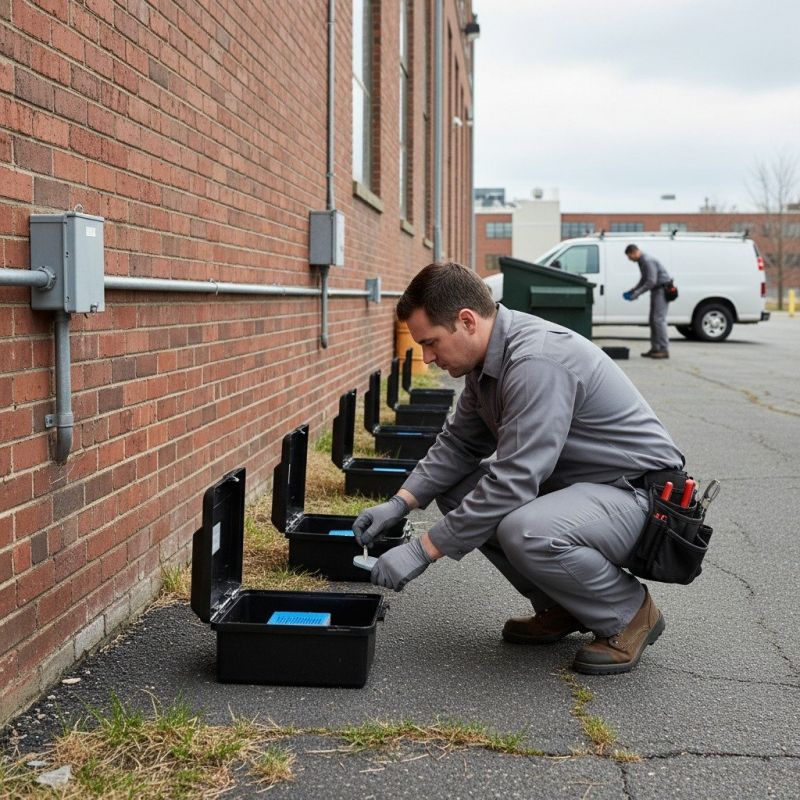
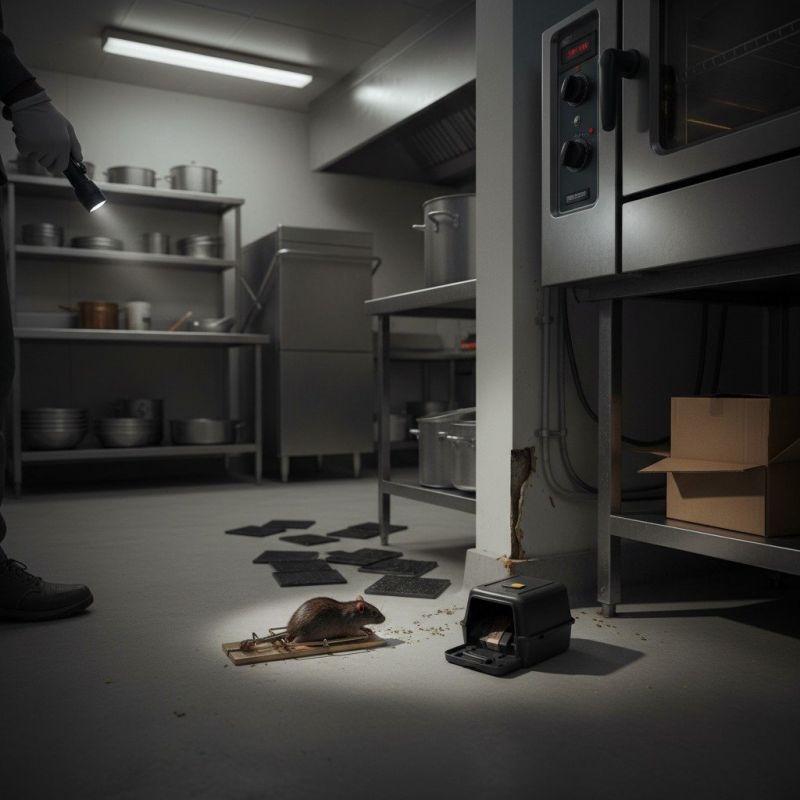
When people search for why commercial small animal control requires professional expertise, they often want to understand the complexity behind effectively managing pests like rodents, raccoons, or squirrels on business properties. These searches typically stem from concerns about property damage, health risks, or disruptions caused by these animals. Business owners, property managers, or facility operators may have encountered signs of animal intrusion-such as droppings, gnaw marks, or noises-or may be planning preventative measures to avoid future problems. They seek to understand why handling these issues isn’t simply a matter of setting traps or using store-bought repellents, emphasizing the need for specialized knowledge and experience.
This topic relates closely to problems like ongoing infestations, property damage, or sanitation issues that can impact a commercial space’s operation and reputation. Planning for small animal control often involves assessing how animals access the property, identifying entry points, and implementing effective exclusion strategies. Business owners might also be considering long-term solutions to prevent re-entry or dealing with regulatory requirements related to pest management. These plans require a detailed understanding of animal behaviors, local regulations, and the most effective methods for safely and permanently removing animals from commercial properties.
The types of properties that typically come up in discussions about commercial small animal control include warehouses, retail stores, restaurants, office buildings, and industrial facilities. These properties often have large, accessible rooflines, loading docks, or storage areas that can attract small animals. Parking garages, apartment complexes, and mixed-use developments are also common sites where small animals may find entry points or nesting spots. Because these properties are used for business purposes, the presence of animals can lead to serious issues such as contamination, property damage, or health code violations, making professional intervention essential.
Engaging with local service providers who specialize in commercial small animal control ensures that property owners and managers receive tailored solutions suited to the specific challenges of their premises. These professionals bring practical expertise in inspecting properties, identifying vulnerabilities, and deploying targeted control methods. They understand how to handle different types of animals safely and efficiently, minimizing disruption to daily operations. By working with experienced local contractors, property owners can develop effective, long-lasting strategies that address the root causes of animal problems and protect their investments from future issues.
Wildlife exclusion projects - these involve sealing entry points and installing barriers, skills that are essential in commercial small animal control to prevent re-entry and ensure long-term solutions.
Rodent proofing services - similar techniques are used to identify and block access points, requiring expertise in building structures and pest behavior.
Building inspection and damage assessment - professionals evaluate structural vulnerabilities caused by small animals, paralleling the planning needed for effective control measures.
Habitat modification projects - these involve altering environments to make them less attractive to pests, a strategy also used in commercial small animal control to deter infestations.
Trapping and removal services - these require knowledge of animal behavior and safe handling practices, which are critical for humane and effective control efforts.
Sanitation and cleanup projects - cleaning contaminated areas and removing nesting materials demand specialized tools and planning similar to post-infestation remediation in commercial settings.
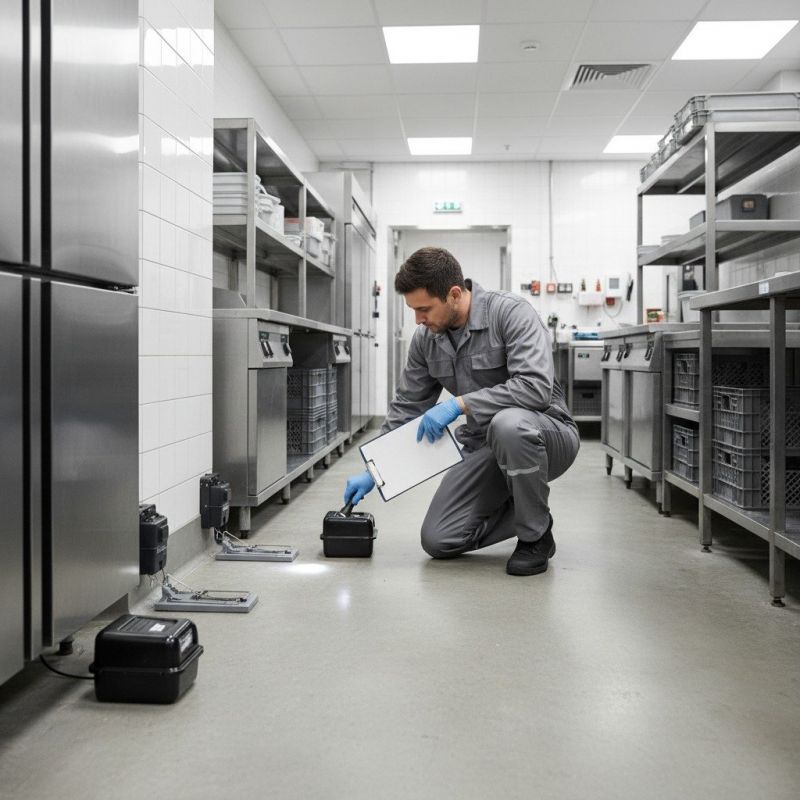
When evaluating service providers for commercial small animal control, it is important to consider their experience with similar projects. A contractor who has handled comparable situations will have a better understanding of the unique challenges involved and the most effective strategies to address them. This experience can translate into more efficient and thorough solutions, reducing the risk of recurring issues. Homeowners should inquire about the types of properties and specific animal control scenarios the contractor has managed to ensure their expertise aligns with the needs of the project.
Clear, written expectations are essential when choosing a commercial small animal control service provider. Well-defined documentation should outline the scope of work, methods to be used, and any guarantees or warranties offered. Having this information in writing helps prevent misunderstandings and provides a reference point throughout the project. It also demonstrates professionalism and transparency, which are key indicators of a contractor’s reliability. Homeowners are encouraged to review these documents carefully and seek clarification on any points that are unclear before proceeding.
Reputable references and strong communication are vital factors when comparing local service providers. References from previous clients can provide insights into the contractor’s performance, professionalism, and ability to deliver results. Additionally, effective communication ensures that homeowners are kept informed and involved throughout the process, making it easier to address concerns or adjustments as needed. Service providers who prioritize clear, consistent communication and can supply verifiable references are typically more dependable choices for managing the complexities of commercial small animal control projects.
Property owners often search for why commercial small animal control requires professional expertise when they are planning practical projects around their homes and businesses. Local pros provide Commercial Small Animal Control services for everyday jobs and straightforward project options.
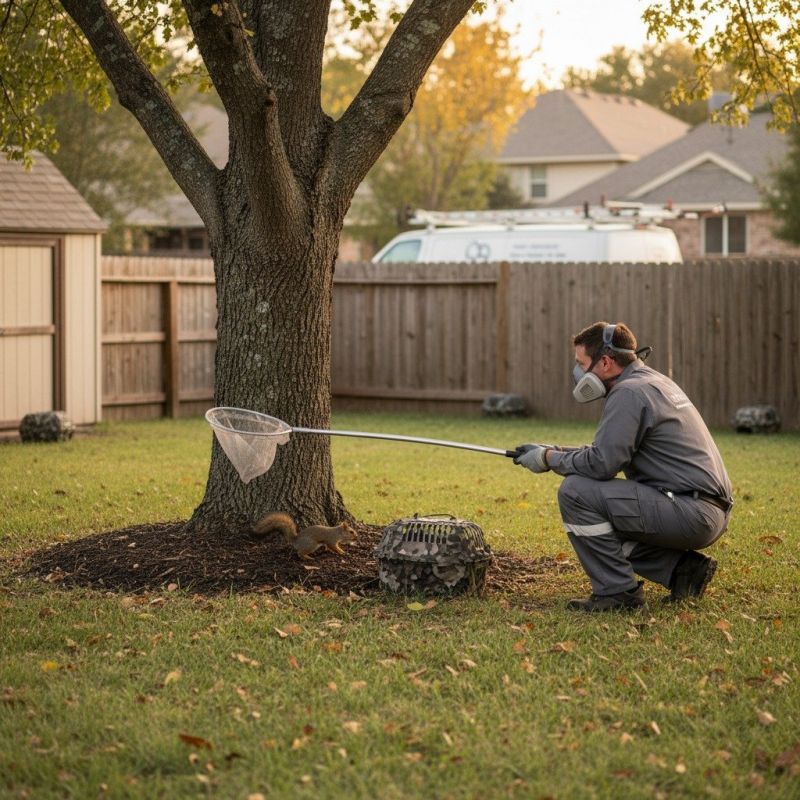
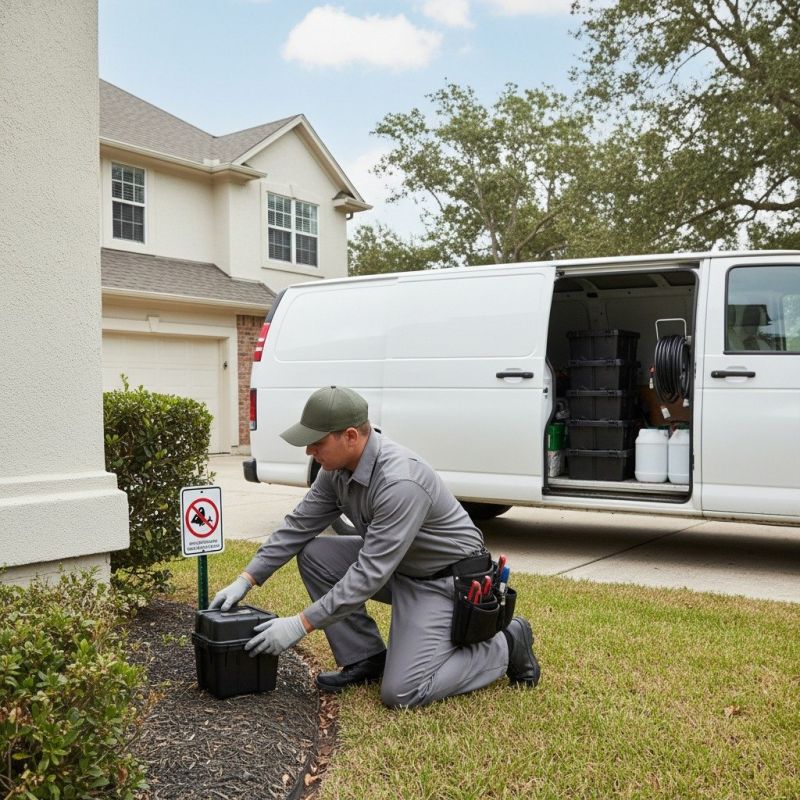
When managing commercial properties, property owners often encounter situations where small animals, such as rodents or nuisance wildlife, have taken up residence. These situations can escalate quickly, causing damage to structures or creating health concerns. Addressing these issues effectively requires more than just basic traps or DIY solutions; it involves understanding animal behavior, proper placement of control measures, and adherence to local regulations. Local contractors who specialize in small animal control have the experience and tools to handle these everyday challenges efficiently, helping property owners resolve problems safely and thoroughly.
In many cases, commercial property owners seek professional small animal control services to prevent recurring issues and protect their investments. Improper removal methods can lead to animals returning or even causing additional damage. Additionally, some animals may be difficult to access or identify without specialized knowledge. Local service providers bring the expertise needed to assess the situation accurately, implement effective control strategies, and ensure that the problem is addressed in a way that minimizes future risks. Relying on experienced professionals helps property owners maintain a safe, animal-free environment without the guesswork or potential complications of DIY approaches.
Why is professional expertise important for commercial small animal control? Professional service providers have the experience and knowledge to identify the specific species involved and implement effective control methods, reducing risks to property and personnel.
What risks are associated with DIY commercial small animal control? Without proper expertise, there is a higher chance of ineffective removal, potential harm to non-target animals, and safety hazards for those attempting the control themselves.
How do local contractors ensure the safety of commercial environments during animal control? They follow established protocols and utilize specialized equipment to safely handle and remove animals, minimizing disruption and hazards in commercial settings.
Why is it necessary to have specialized skills for removing animals from commercial properties? Commercial properties often present complex challenges such as structural access issues and the presence of multiple animals, which require technical skills to address effectively.
How do experienced service providers help prevent future animal infestations? They identify entry points and recommend exclusion measures, applying their knowledge to help keep animals from returning and causing further issues.
Understanding animal behavior - Professional experts know how to identify common signs of small animal activity and can develop targeted removal strategies.
Proper trapping techniques - Local contractors utilize effective and humane trapping methods to ensure complete removal without property damage.
Preventive measures - Experienced service providers can recommend and implement exclusion solutions to keep animals from returning.
Compliance with regulations - Skilled professionals ensure that all control methods adhere to local guidelines, avoiding legal or safety issues.
If you are thinking about why commercial small animal control requires professional expertise for a property, this guide is meant to help you understand this topic, the typical project types, and how different options might fit your plans.
When you are ready, you can use the quote form on this page to share a few details about your project. From there, local pros can review the basics and follow up with options that match what you have in mind.