Common Wildlife Problems Homeowners Face
To address common wildlife problems homeowners face, local service providers can help remove animals safely and prevent future invasions.
Homeowners often encounter a variety of wildlife problems that can impact the safety, comfort, and integrity of their properties. Whether it’s raccoons rummaging through trash, squirrels nesting in attics, or birds building nests in vents, these issues are more common than many realize. Exploring this topic can provide practical insights into how wildlife can affect a home’s structure and the importance of addressing these concerns promptly. Local contractors who specialize in wildlife removal are equipped to handle these situations effectively, helping property owners restore peace of mind and protect their homes.
Understanding the common wildlife problems homeowners face can also highlight the benefits of working with experienced service providers in the area. These professionals know how to safely and efficiently remove animals and prevent future intrusions, often offering solutions tailored to local wildlife behavior. Staying informed about these issues encourages proactive steps that can save time, money, and stress down the line. Keep reading to learn more about how local wildlife removal services can assist with these common challenges and keep homes secure.
- Bird Control - homeowners dealing with nesting or droppings can rely on local contractors to safely remove and prevent future bird infestations.
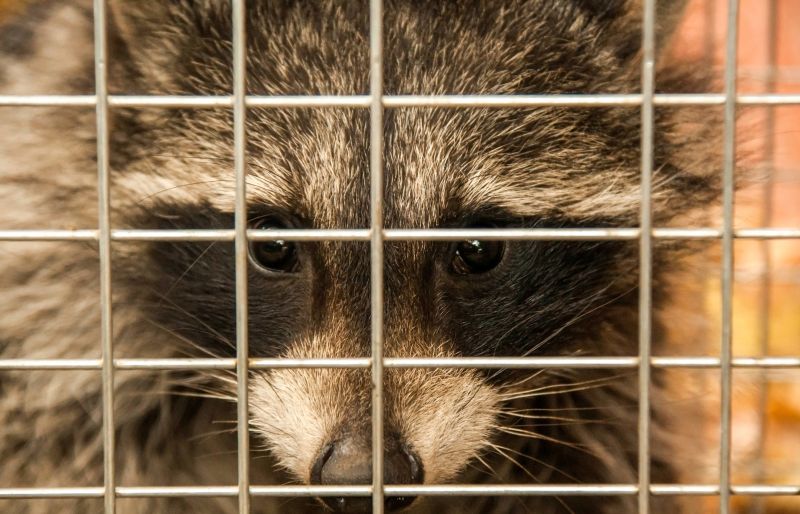
- Raccoon Removal - when raccoons invade attics or crawl spaces, local service providers can humanely trap and exclude them from the property.
- Squirrel Exclusion - squirrels entering through roof vents or chimneys are handled by local pros who seal entry points and remove the animals.
- Bats Removal - bat colonies roosting in eaves or walls require specialized exclusion methods provided by local wildlife specialists.
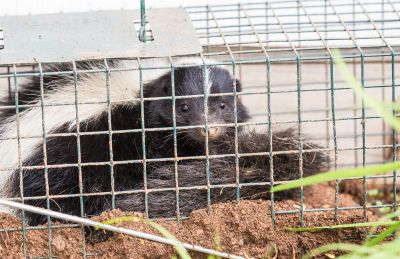
- Skunk Removal - homeowners facing skunk encounters in yards or under structures can connect with local experts to safely remove and deter these animals.
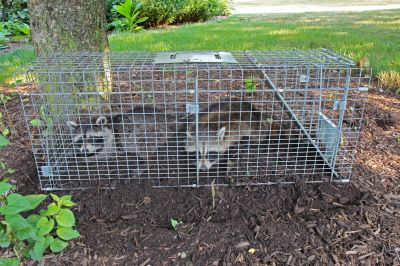
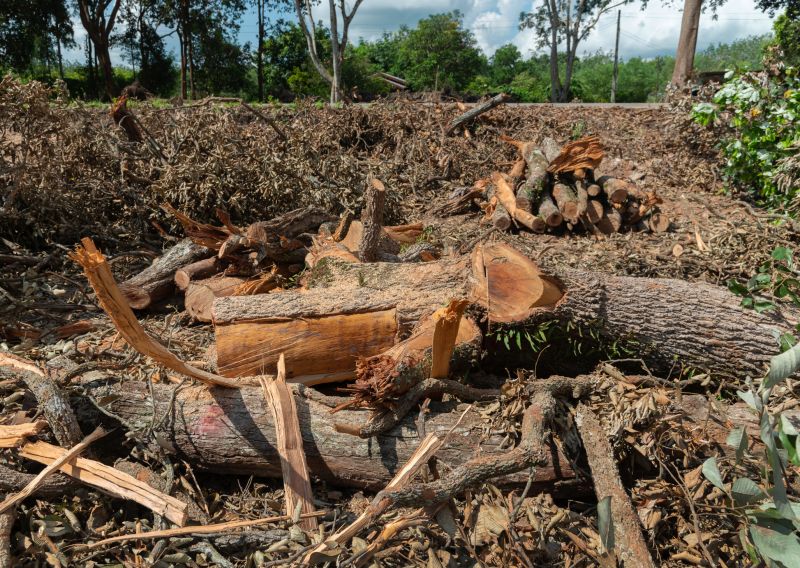
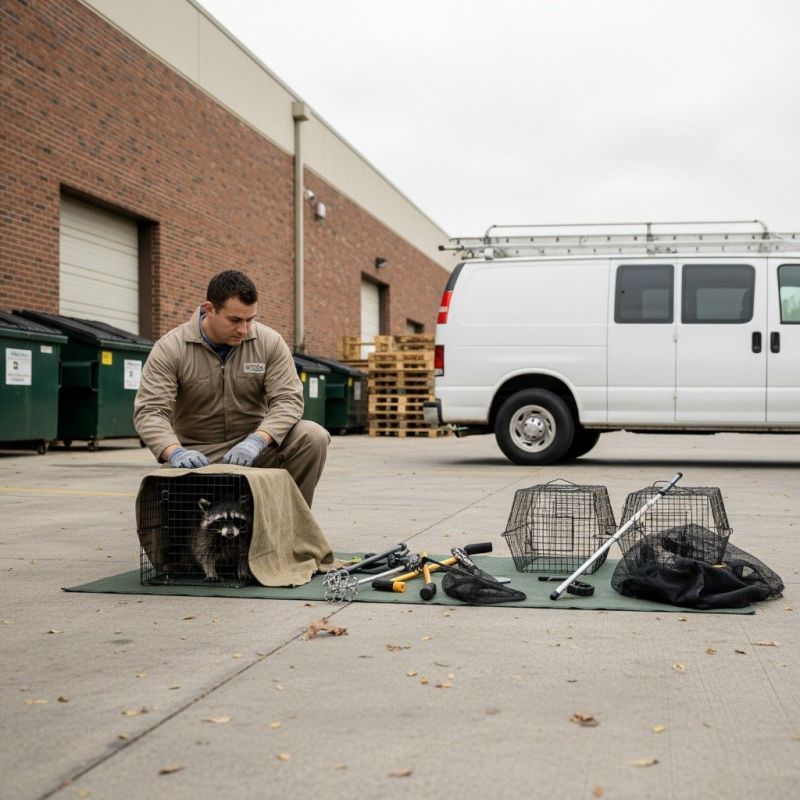
Many homeowners searching for information on common wildlife problems face situations where animals have unexpectedly entered or taken up residence on their property. These issues often involve creatures like raccoons, squirrels, bats, or birds that seek shelter in attics, garages, or crawl spaces. When these animals find access points, they can cause damage to structures, wiring, insulation, and stored belongings. Homeowners are typically looking for ways to identify these problems early and understand the best methods for removal and prevention, which is where local wildlife removal service providers come into play.
The problems related to wildlife intrusion usually involve a combination of property damage and health concerns. For example, animals such as bats or birds might roost inside attics, leaving droppings that can lead to unpleasant odors and potential health risks. Squirrels or raccoons often tear through roof vents or soffits to gain entry, creating openings that allow more animals to follow. Many property owners also consider wildlife control plans that focus on humane removal and exclusion techniques to prevent future issues. Local contractors specializing in wildlife removal can assess the property, develop tailored plans, and implement solutions to address these common problems effectively.
Certain types of properties tend to experience wildlife issues more frequently. Residential homes with accessible attics, roof vents, or poorly sealed entry points are especially vulnerable. Rural properties or those near wooded areas often face increased wildlife activity, including larger animals like foxes or raccoons. Homes with fruit trees or gardens may attract animals such as birds or rodents seeking food. Commercial properties, especially those with storage areas or unused spaces, can also encounter wildlife problems. Understanding the specific property type helps homeowners recognize potential vulnerabilities and find qualified service providers who can handle the unique challenges presented by each situation.
When homeowners search for solutions to common wildlife problems, they often want to connect with local pros who can provide effective removal and exclusion services. These professionals have experience addressing a wide range of issues, from bats roosting in attic eaves to raccoons nesting in chimneys. They focus on safe, humane techniques to remove animals and seal entry points, reducing the chance of re-infestation. Recognizing how wildlife problems relate to property damage, health risks, and ongoing maintenance helps homeowners see the importance of professional intervention. By working with experienced service providers, property owners can resolve wildlife issues efficiently and protect their homes from future problems.
Gutter and roof repairs - addressing damage caused by wildlife like raccoons or squirrels often requires similar planning and tools as wildlife removal to prevent future infestations.
Attic insulation and ventilation upgrades - improving attic spaces to deter wildlife entry shares skills with sealing and exclusion techniques used in wildlife control.
Home sealing and weatherproofing - sealing gaps and cracks to prevent animal entry aligns with the methods used by wildlife removal specialists to secure properties.
Pest proofing and exclusion services - installing barriers and deterrents to keep wildlife out relates directly to the strategies employed by local contractors in wildlife management.
Tree and shrub trimming - maintaining landscaping to reduce animal access points involves planning and tools similar to those used in wildlife prevention efforts.
Basement and crawl space waterproofing - managing moisture and entry points in these areas complements wildlife exclusion practices performed by service providers.
When evaluating wildlife removal service providers for common wildlife problems homeowners face, experience with similar projects is an important consideration. Service providers who have handled cases involving wildlife species common to the area are more likely to understand the unique behaviors and habits of these animals. This familiarity can contribute to more effective and humane removal strategies, reducing the risk of recurring issues. Homeowners should inquire about the types of wildlife the pros have worked with and seek out those who have a proven track record of managing similar situations successfully.
Clear written expectations are essential to ensure that homeowners and service providers are aligned on the scope of work. A reputable contractor should be able to provide a detailed outline of the services offered, including inspection procedures, removal methods, and any follow-up or prevention steps. This transparency helps homeowners understand what to expect and prevents misunderstandings. It is also advisable to ask for documentation that describes the process, so there are no surprises once the work begins, and to confirm that the approach aligns with the homeowner’s concerns and preferences.
Reputable references and good communication are key factors when comparing local contractors. Service providers who can offer references from past clients demonstrate a history of reliable work and customer satisfaction. Additionally, clear and responsive communication throughout the process helps ensure that homeowners can ask questions, express concerns, and receive timely updates. Choosing a contractor known for transparency and effective communication can lead to a smoother experience, making it easier to address wildlife issues confidently and efficiently.
Property owners often search for common wildlife problems homeowners face when they are planning practical projects around their homes and businesses. Local pros provide Wildlife Removal services for everyday jobs and straightforward project options.
Homeowners often encounter common wildlife problems that can disrupt daily life and compromise property integrity. Issues such as raccoons rummaging through trash, squirrels nesting in attics, or birds building nests on rooftops are frequent concerns in many neighborhoods. These situations typically arise from easy access points or nearby natural habitats, prompting property owners to seek solutions that can safely and effectively resolve the problem. Local contractors experienced in wildlife removal are equipped to handle these situations, offering services that help restore comfort and protect the home from further intrusion.
Many property owners look up wildlife removal services when they notice unusual signs like scratching sounds in walls, droppings near entry points, or damaged insulation. These everyday project situations can quickly become urgent, especially if animals have established nests or are causing damage. Connecting with local service providers ensures that homeowners receive professional assistance to humanely and efficiently address wildlife issues. These experts can identify entry points, remove animals safely, and implement preventive measures to reduce the chances of future problems.
What are common wildlife problems homeowners face? Homeowners often encounter issues like animals nesting in attics, raccoons rummaging through trash, squirrels damaging wiring, bats roosting in walls, and birds nesting on rooftops.
How can wildlife problems affect a home’s safety? Wildlife intrusion can lead to property damage, health risks from droppings or parasites, and potential fire hazards from chewed wiring.
What signs indicate wildlife has entered a home or property? Signs include strange noises in walls or ceilings, droppings near entry points, chewed wires or insulation, and animals seen around the property.
Why should homeowners consider professional wildlife removal services? Professionals can safely and humanely remove animals, identify entry points, and prevent future invasions, protecting property and health.
What types of wildlife removal services are available for common problems? Service providers offer attic and wall exclusions, live trapping, habitat modification, and sealing entry points to resolve wildlife issues effectively.
Identifying entry points - Homeowners can work with local contractors to locate and seal gaps or holes that wildlife may use to access the property.
Installing deterrents - Using humane deterrent devices or barriers can help prevent animals from settling into unwanted areas around the home.
Removing attractants - Clearing away food sources, debris, and nesting materials can reduce the likelihood of wildlife invasion.
Implementing exclusion methods - Professional wildlife removal services can assist with installing exclusion systems to keep animals out permanently.
If you are thinking about common wildlife problems homeowners face for a property, this guide is meant to help you understand this topic, the typical project types, and how different options might fit your plans.
When you are ready, you can use the quote form on this page to share a few details about your project. From there, local pros can review the basics and follow up with options that match what you have in mind.