How Squirrels Damage Roofs and Attics and What to Do About It
People searching for squirrel removal are usually trying to stop squirrels from damaging their roofs and attics, and local contractors can provide effective solutions to protect and repair these areas.
Homeowners in the area facing issues with squirrels damaging roofs and attics are in the right place to find practical insights. Squirrels can cause significant problems by gnawing on roofing materials, creating entry points, and building nests in hidden spaces. These activities not only threaten the integrity of the roof but can also lead to costly repairs if left unaddressed. Understanding how squirrels damage roofs and attics and knowing what steps to take can help property owners protect their homes effectively.
Exploring this topic is especially relevant for those who have noticed unusual noises, signs of chew marks, or evidence of nesting inside their attic spaces. Local contractors who specialize in squirrel removal and prevention are equipped to handle these issues safely and efficiently. By learning about how squirrels damage roofs and attics and what to do about it, property owners can make informed decisions and connect with trusted service providers to resolve these nuisances promptly.
- Squirrel exclusion services - when homeowners notice signs of squirrels in their attic or roof, local contractors can implement effective exclusion methods to prevent further damage.
- Roof repair for squirrel damage - if squirrels have caused holes or structural harm to roofs, service providers can assess and restore the damaged areas.
- Attic sealing and insulation - in cases where squirrels have invaded attics, local pros can seal entry points and restore insulation to prevent future issues.
- Wildlife removal and cleanup - when squirrels are trapped inside roofs or attics, professionals can safely remove them and clean up nesting debris.
- Preventative squirrel proofing - for ongoing protection, service providers can install barriers and deterrents to keep squirrels away from roofs and attics.
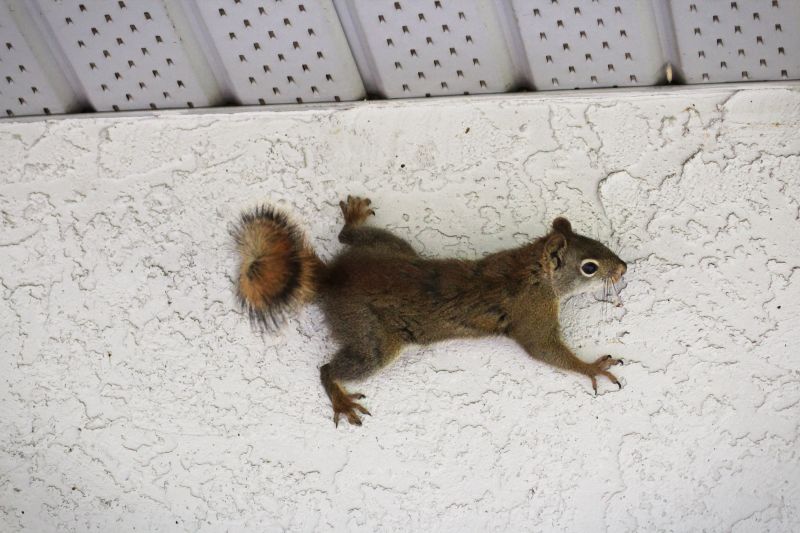
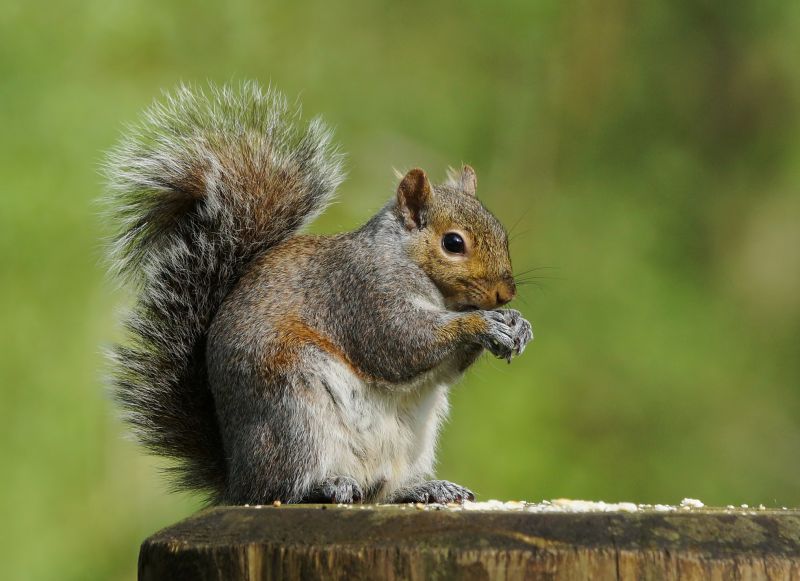
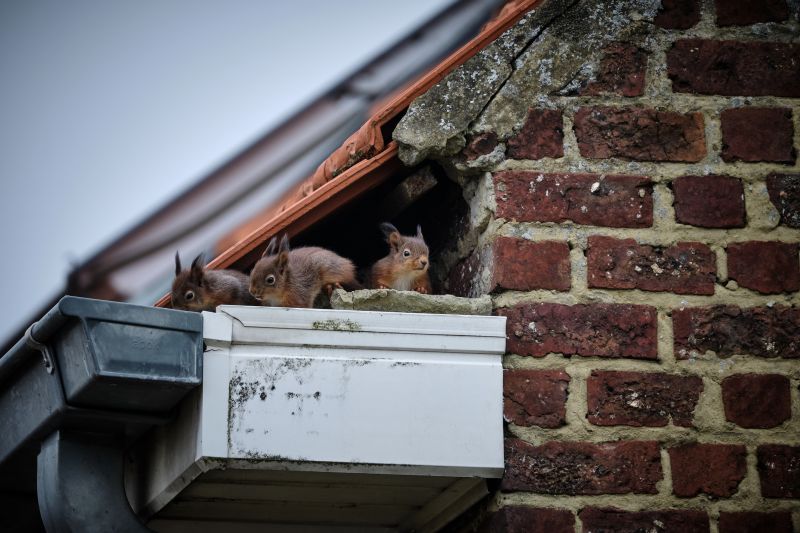
When people search for how squirrels damage roofs and attics and what to do about it, they are often concerned about the safety and integrity of their homes. Squirrels are known for their ability to access rooftops and find entry points into attics, especially in homes with gaps, vents, or damaged soffits. Homeowners may notice signs like chewed wiring, nests, or debris, which can indicate that squirrels have been active. This search topic typically relates to property protection, pest control, and home maintenance plans, as addressing squirrel activity is essential to preventing further damage and avoiding costly repairs.
The problems associated with squirrel damage often involve structural issues and potential hazards. Squirrels can chew through roofing materials, vent screens, and insulation, creating openings that allow water infiltration and compromise the roof’s weatherproofing. Inside the attic, they may build nests using insulation and other materials, leading to insulation degradation and increased energy costs. Additionally, squirrels can damage electrical wiring, which poses fire risks and disrupts household systems. These issues are common in residential properties, especially those with accessible rooflines, as well as in some multi-family buildings and cabins that have less secure roofing structures.
Understanding the types of properties affected by squirrel damage can help homeowners recognize the urgency of addressing the problem. Single-family homes, especially those with older roofs or gaps around vents and fascia, are frequently targeted. Attics in rural or wooded areas are also more vulnerable, as squirrels have easier access through trees and natural surroundings. Properties with poorly maintained or damaged roofing materials, as well as those with open soffits or missing screens, are at higher risk. Identifying these vulnerabilities allows homeowners to better understand how local service providers, such as squirrel removal specialists, can assist with both removal and repair efforts.
When dealing with how squirrels damage roofs and attics and what to do about it, the role of local pros is crucial. These specialists can assess the property for entry points, safely remove the squirrels, and recommend or perform repairs to prevent future invasions. Their services often include sealing gaps, installing exclusion devices, and restoring damaged insulation or roofing materials. Engaging experienced professionals ensures that the problem is addressed comprehensively, reducing the risk of recurring squirrel activity. For homeowners facing these issues, connecting with local contractors who specialize in squirrel removal and property protection can be an effective step toward safeguarding the home and maintaining its structural integrity.
Attic Insulation Installation - Proper insulation installation helps prevent squirrels from nesting and causing damage in attics, requiring similar planning and access considerations as squirrel removal.
Roof Repair and Replacement - Repairing or replacing damaged roofs addresses issues caused by squirrel activity, involving similar assessments of structural damage and debris removal.
Gutter Cleaning and Maintenance - Gutter cleaning helps prevent squirrels from accessing roofs and attics, requiring skilled use of ladders and debris management tools.
Bird and Pest Proofing Services - Installing barriers and deterrents to keep pests out shares planning and installation skills with squirrel exclusion efforts.
Roof Ventilation Services - Proper ventilation can reduce attic heat and moisture, which can attract squirrels and other pests, involving similar planning and installation skills.
Attic Cleanup and Debris Removal - Clearing out squirrel nests and debris in attics involves similar cleanup skills used in squirrel damage repairs and prevention.
When evaluating potential service providers for squirrel removal, it’s important to consider their experience with similar projects. Homeowners should inquire about the contractor’s background handling squirrel-related damage to roofs and attics, ensuring they have a history of effectively addressing these specific issues. An experienced contractor will be familiar with common entry points, damage patterns, and the best methods for humane removal and prevention, which can lead to more reliable and thorough results.
Clear written expectations are essential when comparing local contractors. Homeowners should seek detailed descriptions of the services offered, including the scope of work, steps involved in squirrel removal, and any follow-up or prevention measures. Having this information in writing helps prevent misunderstandings and ensures that both parties are aligned on what will be done, providing peace of mind that the project will be handled comprehensively.
Reputable references and good communication are key indicators of a trustworthy service provider. Homeowners can ask for references from previous clients who had similar squirrel-related issues, especially those involving roof and attic damage. Additionally, responsive and transparent communication from the contractor can make the process smoother, allowing homeowners to ask questions, clarify concerns, and stay informed throughout the project. Prioritizing these qualities helps connect with service providers who are committed to quality work and customer satisfaction.
Property owners often search for how squirrels damage roofs and attics and what to do about it when they are planning practical projects around their homes and businesses. Local pros provide Squirrel Removal services for everyday jobs and straightforward project options.
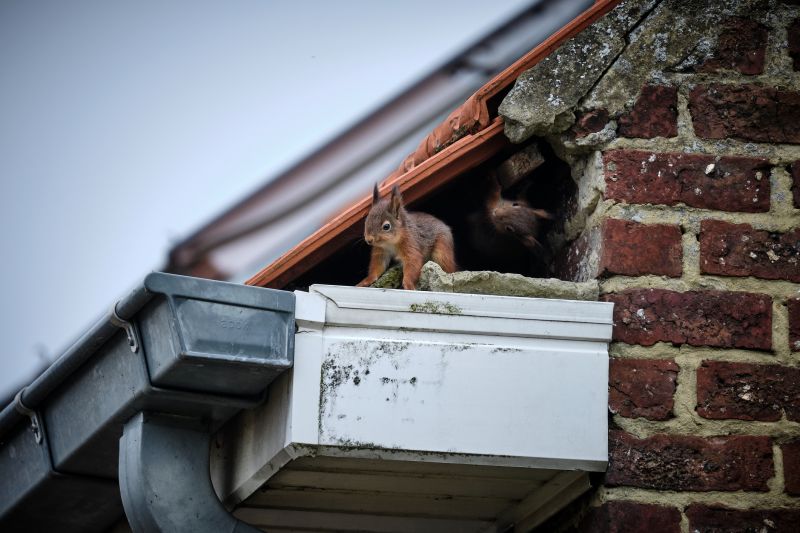
Many property owners in the area find themselves researching how squirrels damage roofs and attics when they notice signs of intrusion or unusual noises. Squirrels often seek shelter in warm, hidden spaces, which can lead them to chew through roofing materials, vent covers, and attic insulation. This behavior not only creates entry points but can also cause significant structural damage over time, leading to increased repair needs and potential safety concerns. Property owners may look into squirrel removal services to address these issues promptly, preventing further damage and protecting their homes from unwelcome critters.
In many cases, homeowners discover squirrel activity after noticing debris, chewed wires, or the presence of nesting materials in their attics. Engaging with experienced local contractors can provide effective solutions to remove the animals and secure vulnerable entry points. These service providers are equipped to handle squirrel removal and can help restore the integrity of the roof and attic space. Property owners seeking to prevent future issues often consider professional assistance to ensure the problem is thoroughly addressed and their homes remain protected from recurring damage.
How do squirrels damage roofs and attics? Squirrels can cause damage by chewing through roof shingles, vent covers, and insulation, creating entry points into attics. Once inside, they may nest, gnaw on electrical wiring, and leave droppings that can lead to further issues.
What signs indicate squirrel damage in my roof or attic? Signs include visible holes or chewed areas on the roof, scratching sounds in the attic, nests or debris, and a strong smell of urine or droppings indicating squirrel presence.
How can local service providers help with squirrel-related roof damage? Local contractors can perform inspections to identify entry points, remove squirrels safely, and provide repairs to prevent future invasions. They may also recommend sealing vulnerable areas to keep squirrels out.
Are there specific measures to prevent squirrels from damaging roofs and attics? Yes, professionals often install barriers, vent covers, and exclusion devices to block access points, along with repairs to damaged areas to prevent squirrels from re-entering.
What should I do if I find squirrels in my attic? It's advisable to contact local pros who can safely remove the squirrels, assess the damage, and implement measures to prevent re-entry and further damage to the roof and attic.
Identify vulnerable entry points - property owners can inspect their roofs and attics for gaps or holes that squirrels may use to gain access, and seek Squirrel Removal services from local contractors to seal these areas.
Implement preventative barriers - installing mesh or fencing around roof vents and chimneys can help block squirrels from entering, with local pros providing expert installation advice.
Schedule regular inspections - routine checks of the roof and attic can catch early signs of squirrel activity or damage, enabling prompt assistance from local contractors to address issues.
Remove attractants around the property - trimming tree branches and securing food sources can reduce squirrel activity near the home, with local pros offering guidance on effective deterrent strategies.
If you are thinking about how squirrels damage roofs and attics and what to do about it for a property, this guide is meant to help you understand this topic, the typical project types, and how different options might fit your plans.
When you are ready, you can use the quote form on this page to share a few details about your project. From there, local pros can review the basics and follow up with options that match what you have in mind.