Bat Infestations in Homes: Health Risks and Safe Removal
To address bat infestations in homes: health risks and safe removal, local service providers can safely eliminate bats and prevent future problems.
If you’ve recently discovered signs of bats in your home, understanding the health risks associated with bat infestations in homes is an important first step. Bats can carry diseases that pose serious health concerns for residents, especially if their droppings and urine accumulate over time. Property owners in the area may find it beneficial to explore safe removal options to protect their families and maintain a healthy living environment. Local contractors experienced in bat exclusion and removal can offer effective solutions tailored to your specific situation, ensuring the problem is addressed thoroughly and safely.
Taking action early can prevent minor issues from turning into more significant concerns down the line. Whether you’re dealing with bats roosting in attics or signs of their presence around your property, connecting with local service providers who specialize in bat removal can help you navigate the process safely. These professionals understand the importance of humane and effective removal methods, helping to safeguard your home while minimizing disruption. Keep reading to learn more about the risks of bat infestations and how trusted local experts can assist in resolving the issue efficiently.
- Bat Infestation Removal - Homeowners noticing signs of bat activity may need professional removal services to safely eliminate the infestation and prevent health risks.
- Health Risks Management - When concerns about disease transmission or contaminated droppings arise, local contractors can implement safe removal methods to reduce health hazards.
- Safe Bat Exclusion - If bats have entered the attic or walls, service providers use humane exclusion techniques to prevent re-entry and protect household occupants.
- Infestation Cleanup - After bat removal, specialists can handle the cleanup of droppings and debris to minimize exposure to harmful pathogens.
- Home Inspection for Bats - Homeowners suspect bat presence may seek inspections from local pros to identify entry points and plan effective removal strategies.
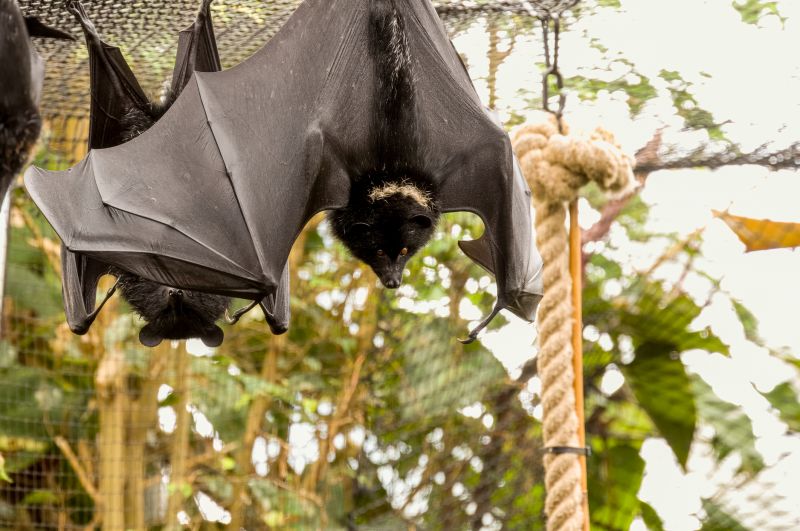
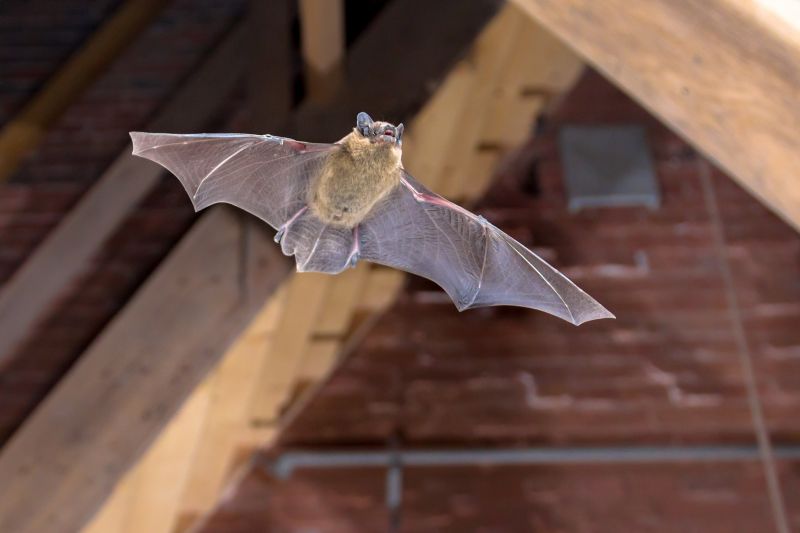
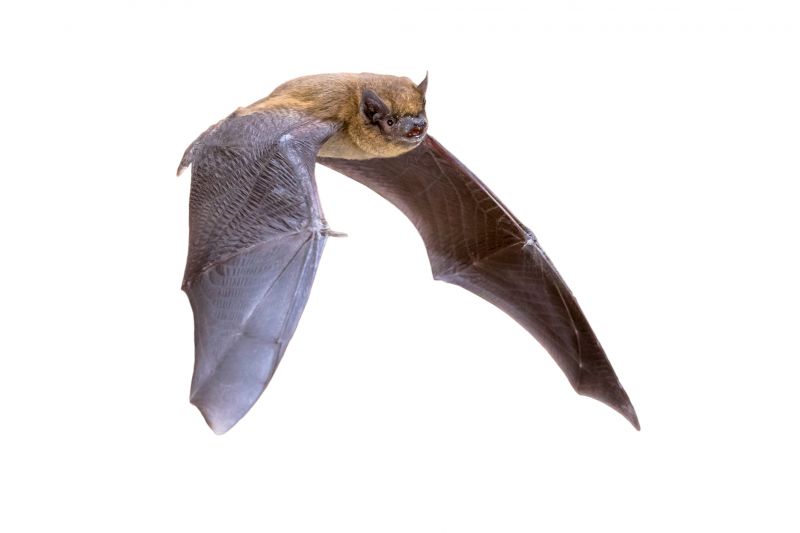
When people search for information about bat infestations in homes: health risks and safe removal, they are often concerned about the presence of bats in their living spaces and the potential dangers involved. This topic typically arises when homeowners notice signs such as bat droppings, strange noises in attics, or the sight of bats entering or exiting a property. Many are seeking guidance on how to identify an infestation, understand the health issues associated with bats-such as the risk of rabies transmission-and learn about effective, safe methods for removal. The goal is to address the problem promptly while ensuring the safety of household members and minimizing damage to the property.
Bat infestations are most commonly associated with residential properties that have accessible attics, eaves, or roof spaces where bats can roost undetected. These pests tend to choose structures with gaps, cracks, or openings that allow them entry without much effort. In addition to homes, bat infestations can also occur in annexes, garages, or sheds that provide suitable shelter. The problems linked to these infestations include contamination from droppings, which can cause health issues, and the potential for bats to create large colonies that are difficult to remove without professional help. Homeowners often plan to remove bats safely and prevent future invasions by sealing entry points and implementing exclusion techniques.
The types of properties most affected by bat infestations generally include older houses with unfinished or accessible attics, as well as buildings with poor ventilation or structural gaps. Rural homes, barns, and outbuildings are also common sites for bat colonies, especially where there are nearby trees or water sources that attract bats. Urban properties are not immune, especially those with poorly maintained roofs or neglected spaces. When dealing with these properties, the primary concern is to eliminate the presence of bats without harming the animals unnecessarily, which is why professional removal services are often recommended. These service providers have the experience and tools needed to safely remove bats and secure the property against future issues.
Understanding how bat infestations connect to real projects helps homeowners plan effective solutions. Local contractors who specialize in bat removal are equipped to assess the extent of an infestation, identify entry points, and implement exclusion methods that are safe and humane. They can also provide guidance on sealing openings and cleaning affected areas to reduce health risks. For homeowners facing a bat problem, working with experienced service providers ensures that the removal process complies with local regulations and best practices, ultimately protecting both the household’s health and the property’s integrity. Connecting with these professionals can make the process straightforward and help prevent recurring issues related to bat infestations.
Wildlife exclusion services - professionals who specialize in sealing entry points and preventing animals like bats from re-entering homes, essential for safe removal of bat infestations.
Pest control services - providers experienced in managing pests that often accompany or result from bat infestations, ensuring comprehensive removal and prevention.
Home inspection services - experts who identify structural vulnerabilities and signs of bat activity, supporting effective removal and long-term prevention strategies.
Attic cleanup and restoration - specialists who safely remove bat droppings and contaminated materials, helping restore a healthy living environment.
Vent and chimney sealing services - contractors who secure vents and chimneys to prevent bats from entering through these common access points.
Structural repair services - tradespeople who address damage caused by bat colonies, reinforcing areas to prevent future infestations and maintain home integrity.

When evaluating service providers for bat infestation removal, it is important to consider their experience with similar projects. Homeowners should seek out contractors who have handled bat infestations in homes comparable to their own, as this can provide insight into their familiarity with common challenges and effective removal strategies. An experienced professional will understand the health risks associated with bat colonies and be equipped to implement safe, humane, and comprehensive solutions that prevent future issues.
Clear written expectations are essential when choosing a bat removal specialist. Homeowners should look for service providers who can provide detailed descriptions of the removal process, including inspection procedures, exclusion techniques, and cleanup measures. Having a well-defined scope of work helps ensure that both parties understand what is involved and reduces the likelihood of misunderstandings or incomplete work. Transparency in the process also demonstrates professionalism and a commitment to thorough, responsible removal.
Reputable references and effective communication are key indicators of a trustworthy contractor. Pros with positive feedback from previous clients are more likely to deliver satisfactory results and adhere to safety standards. Additionally, service providers who are responsive and willing to answer questions clearly can help homeowners feel more confident in the process. Good communication fosters collaboration and ensures that concerns about health risks and safe removal methods are addressed throughout the project, leading to a smoother experience and better overall results.
Property owners often search for bat infestations in homes: health risks and safe removal when they are planning practical projects around their homes and businesses. Local pros provide Bat Infestation Removal services for everyday jobs and straightforward project options.

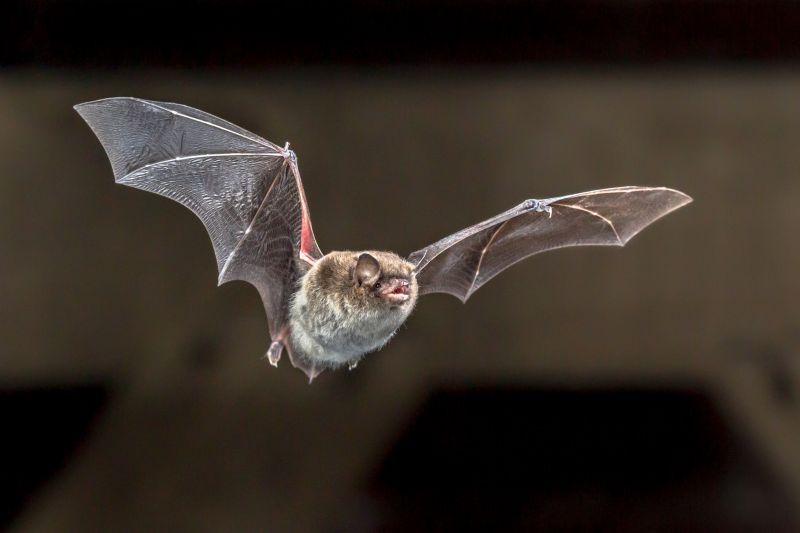
Bat infestations in homes can pose significant health risks due to the potential presence of parasites, bacteria, and the possibility of disease transmission. Property owners noticing signs of bats, such as droppings or strange noises in attics or walls, may seek out professional removal services to address the issue safely and effectively. Local contractors who specialize in bat removal understand the importance of humane and thorough exclusion methods, helping homeowners prevent further infestations and protect their household from health hazards.
Considering bat infestation removal services from experienced local contractors can be a practical step for homeowners dealing with these unwelcome visitors. These service providers can assess the situation, identify entry points, and implement safe removal techniques to ensure the bats are effectively excluded from the property. Engaging with local experts can provide peace of mind that the problem will be handled responsibly, reducing risks and preventing future issues related to bat presence in the home.
What health risks are associated with bat infestations in homes? Bat infestations can pose health risks such as exposure to rabies, histoplasmosis from droppings, and respiratory issues caused by airborne particles. Local contractors specializing in bat removal can help mitigate these risks safely.
How do professionals handle the safe removal of bats from homes? Service providers use humane and effective methods to remove bats, including sealing entry points and safely relocating the animals, to prevent future infestations while minimizing health hazards.
Are there signs that indicate a bat infestation in a home? Common signs include sightings of bats near entry points, accumulation of droppings, strange noises in walls or attics, and a strong odor. Local experts can assess and confirm if a bat infestation exists.
Why is it important to hire professionals for bat removal? Professionals have the experience and equipment to remove bats safely and thoroughly, reducing health risks and preventing damage to the home that can occur from unaddressed infestations.
What steps are involved in the removal process performed by service providers? The process typically includes inspection, sealing entry points, humane removal of bats, and cleanup of droppings, ensuring the home is protected against future infestations and health concerns.
Identify signs of bat activity - property owners can learn to recognize common indicators of bat infestations in homes and seek help from local contractors for safe removal.
Assess potential entry points - inspecting attic vents, chimneys, and roof gaps helps determine where bats may be entering, with local pros providing expert sealing solutions.
Understand health risks - being aware of the health dangers associated with bat droppings and urine encourages timely professional removal to minimize exposure.
Implement exclusion methods - property owners can work with local service providers to install humane exclusion devices that safely remove bats and prevent future infestations.
If you are thinking about bat infestations in homes: health risks and safe removal for a property, this guide is meant to help you understand this topic, the typical project types, and how different options might fit your plans.
When you are ready, you can use the quote form on this page to share a few details about your project. From there, local pros can review the basics and follow up with options that match what you have in mind.